PRESCRIPTION MEDICATIONS
Atorvastatin (Lipitor)
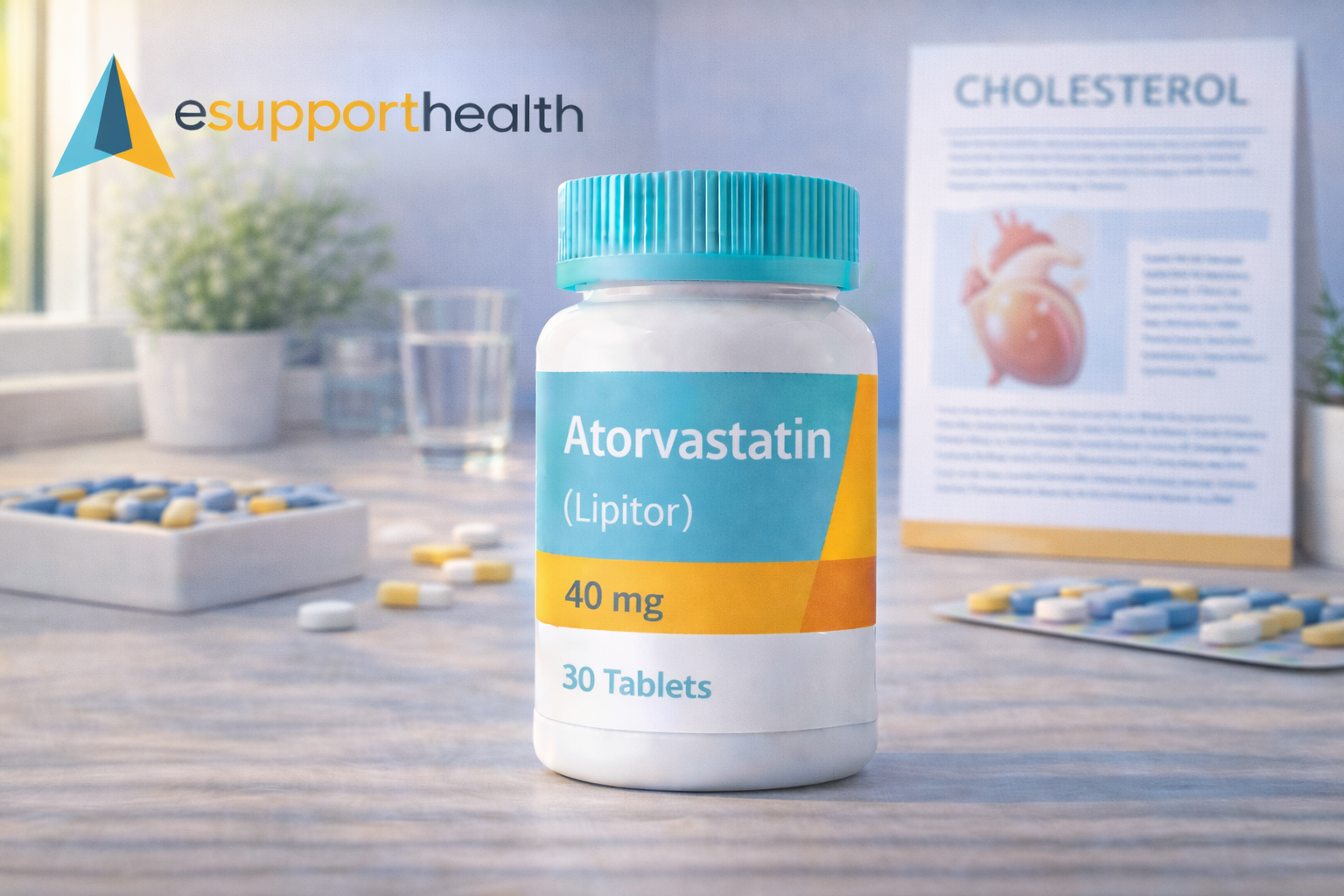
Atorvastatin (Lipitor) — statin therapy for cholesterol management & cardiovascular risk reduction. A prescription statin used to lower cholesterol levels and support long-term cardiovascular health. Atorvastatin is commonly prescribed to reduce LDL cholesterol and help lower the risk of heart-related events when clinically appropriate.
Begin Atorvastatin Treatment Through eSupport Health
Starting treatment through eSupport Health begins with a secure online medical evaluation completed by a licensed healthcare provider. During this process, clinicians review your symptoms, medical history, and current medications to determine whether treatment is appropriate. If a medication is recommended, a prescription may be issued in accordance with medical guidelines and transmitted to a licensed pharmacy for dispensing. This streamlined telehealth approach allows patients to access professional care and treatment guidance in a convenient and confidential manner.
This page provides an educational overview of Atorvastatin, including how it works, what conditions it may treat, safety considerations, and how telehealth providers evaluate treatment eligibility.
Medication Overview
Atorvastatin is a lipid-lowering medication in the statin class, widely used to manage elevated cholesterol levels and reduce cardiovascular risk. It is indicated for patients with hyperlipidemia, mixed dyslipidemia, or those at increased risk of atherosclerotic cardiovascular disease.
By lowering low-density lipoprotein (LDL) cholesterol and influencing other lipid parameters, Atorvastatin plays a central role in preventive cardiology. It is often used as part of a comprehensive risk reduction strategy that includes lifestyle modification, dietary changes, and ongoing clinical monitoring.
Treatment decisions are individualized based on lipid profile, cardiovascular risk factors, and overall health status.
Clinical Role of Atorvastatin in Lipid Management and Risk Reduction
Understanding LDL Cholesterol and Cardiovascular Risk
LDL cholesterol is a primary contributor to plaque formation within arterial walls, a process known as atherosclerosis.
Elevated LDL levels can lead to narrowing of blood vessels and increased risk of cardiovascular events such as heart attack or stroke. Managing LDL cholesterol is a key objective in preventive cardiovascular care, and Atorvastatin is commonly used to support this goal.
Statins in Preventive Cardiology
Atorvastatin is frequently prescribed not only to treat high cholesterol but also to reduce long-term cardiovascular risk.
In patients with existing risk factors such as hypertension, diabetes, or prior cardiovascular events, statin therapy may help lower the likelihood of future complications. This preventive role is a central component of modern clinical guidelines.
Impact on Lipid Profile Beyond LDL
While LDL reduction is a primary target, Atorvastatin may also influence other lipid parameters.
It can help lower triglycerides and may modestly increase high-density lipoprotein (HDL) cholesterol in some individuals. This broader lipid modulation contributes to an overall improvement in cardiovascular risk profile.
Long-Term Therapy and Risk Reduction Strategy
Atorvastatin is typically used as a long-term therapy rather than a short-term intervention.
Consistent use over time supports sustained cholesterol reduction and ongoing cardiovascular protection. Adherence to therapy, along with lifestyle measures, plays an important role in achieving optimal outcomes.
Individualized Dosing and Risk-Based Treatment
Statin therapy is tailored based on individual cardiovascular risk and treatment goals.
Clinicians consider factors such as baseline LDL levels, age, comorbid conditions, and overall risk profile when determining dosing intensity. This personalized approach ensures that therapy aligns with clinical guidelines and patient-specific needs.
Monitoring and Ongoing Lipid Management
Regular monitoring is an important part of Atorvastatin therapy.
Lipid panels are used to assess treatment response and guide adjustments. In some cases, liver function tests or other evaluations may be recommended to ensure safety and effectiveness over time.
Plaque Stabilization and Vascular Protection
Beyond lowering cholesterol levels, Atorvastatin may contribute to stabilizing atherosclerotic plaques within arterial walls.
Unstable plaques are more likely to rupture and trigger cardiovascular events such as heart attack or stroke. By reducing inflammation within the vascular system and improving endothelial function, statins may help support plaque stability and overall vascular integrity.
This effect is an important component of long-term cardiovascular risk reduction.
Inflammation and Cardiovascular Risk Reduction
Cardiovascular disease is influenced not only by cholesterol levels but also by underlying vascular inflammation.
Atorvastatin has been shown to reduce inflammatory markers associated with cardiovascular risk, such as C-reactive protein (CRP). By addressing both lipid levels and inflammatory processes, statin therapy provides a more comprehensive approach to cardiovascular protection.
This dual effect reinforces its role in preventive cardiology.
Drug Interactions and Metabolic Pathways
Atorvastatin is metabolized through liver enzyme pathways, particularly the cytochrome P450 system (CYP3A4).
Because of this, certain medications and substances may influence how Atorvastatin is processed in the body. Interactions may affect drug levels, efficacy, or the likelihood of side effects.
Clinicians typically review current medications, supplements, and dietary factors to ensure safe and effective integration into a patient’s treatment plan.
How Atorvastatin Works
Atorvastatin inhibits HMG-CoA reductase, a key enzyme involved in cholesterol synthesis in the liver.
By reducing cholesterol production, the liver increases the uptake of LDL cholesterol from the bloodstream. This leads to a decrease in circulating LDL levels and contributes to reduced plaque formation within arteries.
Over time, this mechanism supports improved vascular health and lowers the risk of cardiovascular events.
Key Prescribing Information
| Medication Class | Statin (HMG-CoA reductase inhibitor) |
|---|---|
| Generic name | Atorvastatin |
| Brand name | Lipitor |
| Administration | Oral tablet |
| Typical Dose | Determined by clinician based on lipid levels and cardiovascular risk profile |
| Indication | Hyperlipidemia, mixed dyslipidemia, cardiovascular risk reduction |
| Prescribing | Determined by a licensed clinician following medical evaluation and lipid assessment |
Treatment duration and dosage depend on the specific condition being treated, symptom severity, and individual patient response.
Candidate Criteria
Atorvastatin may be considered for individuals with elevated cholesterol levels or increased cardiovascular risk.
Candidates often include those with high LDL cholesterol, established cardiovascular disease, diabetes, or other risk factors. Suitability depends on lipid profile, overall health status, and individualized risk assessment.
Final eligibility is determined through clinical evaluation.
Safety
Atorvastatin is generally well tolerated but requires appropriate clinical use and monitoring.
Potential considerations may include muscle-related symptoms, liver enzyme elevations, and interactions with certain medications. Patients are advised to report unexplained muscle pain, weakness, or other unusual symptoms.
Regular follow-up helps ensure that therapy remains safe and effective.
Clinical Onset & Expectations
Initial reductions in LDL cholesterol may begin within the first weeks of therapy.
More significant improvements in lipid levels are typically observed, allowing clinicians to assess treatment effectiveness.
Sustained cholesterol control and cardiovascular risk reduction depend on continued adherence and integration with lifestyle strategies.
Telehealth Prescribing Framework
Atorvastatin prescribing through telehealth follows a structured, guideline-based process.
Patients complete a secure intake including medical history, risk factors, and recent lipid data when available. A licensed provider evaluates cardiovascular risk and determines whether Atorvastatin is appropriate.
If prescribed, treatment includes guidance on dosing, monitoring, and follow-up to support long-term cardiovascular management.
Secure Medical Intake
Complete a confidential health questionnaire including symptoms, medical history, and current medications.
Licensed Provider Review
A licensed clinician evaluates your health information and may request additional details or a virtual consultation.
Clinical Decision & Treatment Plan
If appropriate, the provider determines a treatment plan and provides dosing guidance and monitoring instructions.
eRx & Pharmacy Fulfillment
If prescribed, the medication is electronically sent to a licensed pharmacy for dispensing.
Frequently Asked Questions
Can I buy Atorvastatin online?
Atorvastatin may be prescribed online through a licensed provider following a clinical evaluation.
What is Atorvastatin used for?
It is used to lower cholesterol levels and reduce cardiovascular risk.
How long does Atorvastatin take to work?
Initial effects may begin within weeks, with more significant changes seen over several weeks.
Do I need to take Atorvastatin long-term?
It is often used as a long-term therapy depending on individual risk factors.
Does Atorvastatin require monitoring?
Yes, lipid levels and sometimes liver function may be monitored during treatment.
Can Atorvastatin lower LDL cholesterol?
Yes, it is specifically designed to reduce LDL cholesterol levels.
Is Atorvastatin used to prevent heart disease?
It may be used as part of a strategy to reduce cardiovascular risk.
Can Atorvastatin be taken daily?
Yes, it is typically taken once daily as prescribed.
What side effects can occur with Atorvastatin?
Some individuals may experience muscle discomfort or mild side effects.
Do I still need lifestyle changes while taking Atorvastatin?
Yes, lifestyle measures remain an important part of overall cardiovascular health.
Medical disclaimer: This content is for informational purposes only and does not constitute medical advice, diagnosis, or treatment. Atorvastatin is a prescription medication and should be used only under the supervision of a licensed healthcare provider. Treatment decisions are based on individual clinical evaluation, medical history, and applicable regulatory standards.
Explore More Treatments
Rosuvastatin (Crestor) — advanced statin therapy for cholesterol control & cardiovascular protection. A prescription statin used to lower LDL cholesterol and support long-term cardiovascular risk reduction. Rosuvastatin is often selected for its potency and effectiveness in achieving lipid targets when clinically appropriate.
Lisinopril — ACE inhibitor for blood pressure control & cardiovascular protection. A prescription medication used to manage high blood pressure and support heart health. Lisinopril is commonly prescribed to reduce vascular strain, improve cardiac function, and lower long-term cardiovascular risk when clinically appropriate.
Propranolol (Inderal) — beta-blocker therapy for heart rate control and symptom management. A prescription beta-blocker used to regulate heart rate, reduce blood pressure, and manage certain neurologic and stress-related symptoms. Propranolol is widely used across multiple clinical contexts when appropriate.